Malcesine from Verona: The Castle That Got Goethe Arrested, the Rotating Cable Car, and Garda End to End
Ninety minutes to Garda’s east shore, where Goethe was arrested for sketching the castle — 1786, suspected spy — and a rotating cable car lifts you to 1,760 meters with the whole lake laid out below.
The short version
- The run is about ninety minutes by the lakeside bus from Verona (or train to Peschiera plus the ferry up the lake — slower and better), with the harbor, castle, and cable-car base all inside Malcesine’s ten walkable minutes.
- The Goethe story per the alarm is documented in his own Italian Journey: sketching the Scaliger castle in 1786, he was detained as a suspected Austrian spy, argued his way free by charm and credentials, and wrote the episode up with relish — the castle’s museum keeps the account and the tower keeps the view he wanted.
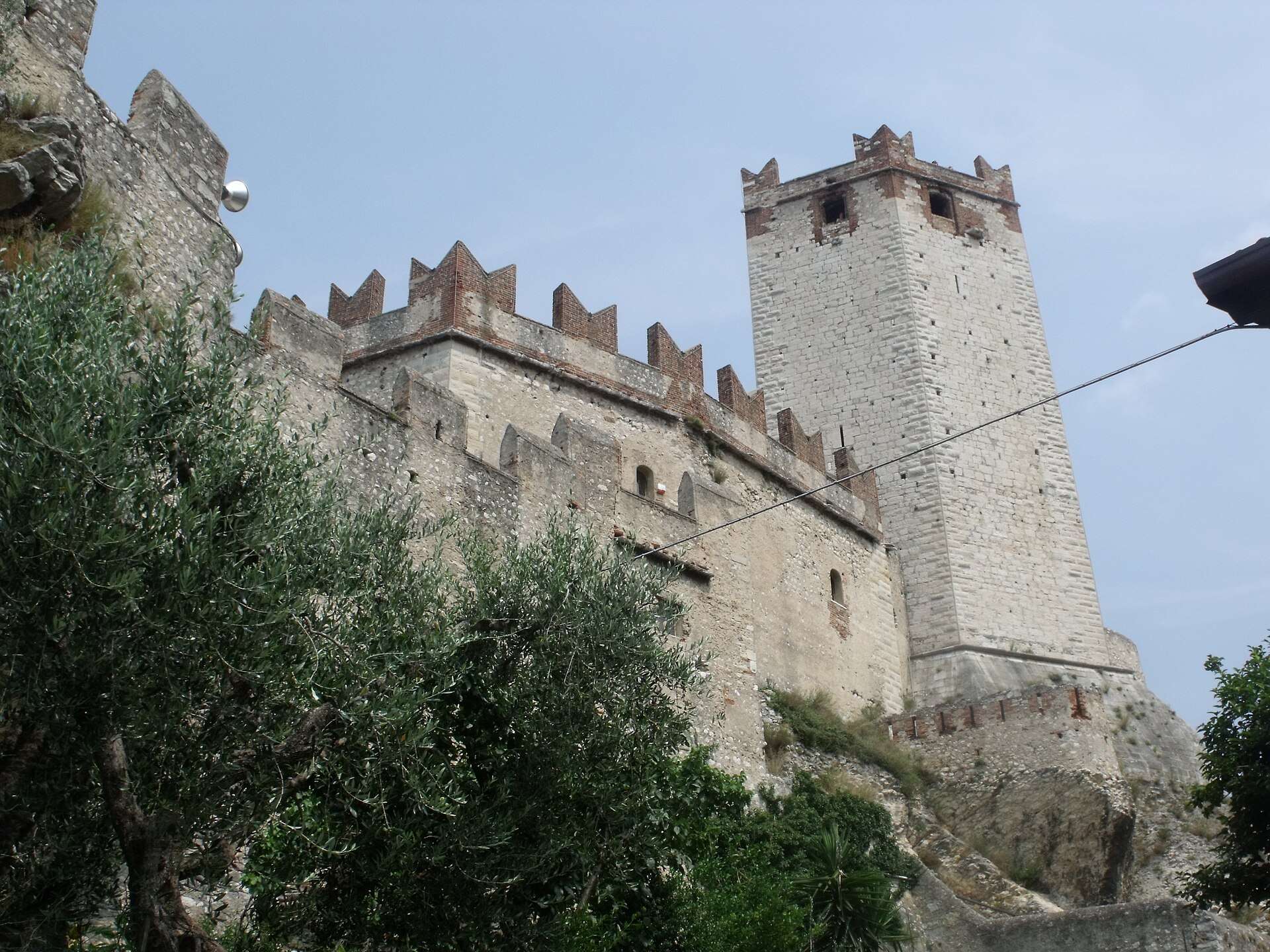
- The Scaliger castle itself is the postcard: the Della Scala fortress rising from the harbor’s rock, swallow-tail battlements over cypress and water, climbed for small fee to the tower’s lake panorama.
- The Monte Baldo cable car per the alarm is the headline machine: rotating cabins turn the ascent into a slow 360° — up to the ridge at about 1,760 meters (funiviedelbaldo.it) — where meadow paths run the crest, paragliders step off into the void, and the lake lies end to end below.
- The botany credential: Monte Baldo’s isolation made it a naturalists’ legend — the ‘garden of Europe’ label from centuries of endemic finds — with the ridge’s early-summer meadows as the display case.
- The water register closes it: pebble beaches north and south of the harbor (shoes advised), the Ora — the reliable southerly that fills afternoon sails and windsurfers per the alarm — and the ferry hop to Limone sul Garda’s terraced lemon houses across the water (navigazionelaghi.it).
Getting there
The bus is direct and scenic-adequate; the train-plus-ferry version converts transit into a lake cruise and suits the unhurried. In town, the cable-car queue is the day’s one bottleneck — summer mornings sell timed ascents, and the first cabins beat both queue and haze for the ridge’s clearest hour. The castle and lanes absorb waiting time by design. The Limone hop runs on the ferry timetable photographed at the pier per standing law.
The day
The castle takes the early light: the climb through the courtyards, the Goethe room’s account of the arrest per the alarm, and the tower’s view down the harbor’s cypress-and-water composition he was detained for admiring. The cable car lifts mid-morning: the rotating cabin’s slow turn over olive terraces, the mid-station change, and the ridge — suddenly alpine, meadows and crest paths, paragliders assembling and stepping off, the lake running its full forty-plus kilometers below from Riva’s cliffs to Sirmione’s thread. Walk the crest as far as lunch allows. Descend for the pebble swim — the Ora arriving on schedule to fill the windsurfers — and the ferry across to Limone: the lemon-house terraces’ stone pillars, a lakefront spritz, and the boat back with Baldo’s wall going gold. The evening bus per the alarm fills slower than the day did.
When to go
April through October runs the full machine — cable car, ferries, swimmable lake — with June’s ridge meadows and September’s warm-water clarity as the twin peaks. July–August loads the cabin queues and the lakefront; first-cable-car discipline restores the ridge. The car runs much of the off-season on reduced schedules for walkers and the view alone — winter’s snowbound ridge over the blue lake is the connoisseur’s secret — with wind stoppages per the alarm’s weather-dependence the standing morning check in every month.
Frequently Asked Questions
What exactly happened to Goethe?
In September 1786, at the start of his incognito Italian journey, Goethe sat sketching the castle and was surrounded by suspicious locals — Malcesine sat on the Venetian-Austrian frontier, and a stranger drawing fortifications read as espionage. Brought before the authorities, he talked himself free citing his Frankfurt standing and evident harmlessness, and the Italian Journey’s telling per the alarm made the town permanently famous among German travelers, who still arrive holding the book.
Is the cable car worth the price?
For the rotation, the ridge, and the only full-length view of Garda achievable without wings — the standing answer is yes: it’s the lake’s best single spectacle per euro. Weather is the honest caveat per the alarm: haze flattens midday summer views and wind stops the cabins entirely; the first-ascent-clear-morning rule maximizes the investment.
Can I paraglide there?
Tandem operators fly from the ridge in season, booked ahead, weather permitting — stepping off Monte Baldo with the lake below ranks among the Alps’ celebrated flight sites. Spectating costs nothing and the launch meadow’s choreography is half the summit’s entertainment. Fliers build weather flexibility into the plan; the Ora that powers the sails also rules the launches.
What’s actually in Limone?
The terraced limonaie — the stone-pillared lemon houses that made the town’s name and fortune before imports ended the trade — one restored as a museum, plus a compact lakefront of lanes and gelato at postcard density. It’s an hour’s hop done for the crossing itself and the view back at Baldo’s wall; the ferry timetable sets the visit’s length.
Malcesine or Sirmione from Verona?
Both documented on this network: Sirmione for the thread-peninsula’s castle, grottoes, and Catullus at the lake’s soft southern end; Malcesine for the alpine north — ridge, wind, and the arrested poet’s castle. Spa-lake versus mountain-lake — the honest Verona stay does both shores, and Malcesine is the one with a machine that turns.