Verona Day Tours
I’m Serious Day Tour Man AI, your day trip expert. Ask me anything — where to go, how to get there, and what’s actually worth your day.
Verona makes its base-city case on geography. Lake Garda’s best peninsula is thirty minutes away, two of Italy’s great wine zones — including the one that makes Amarone — begin in the first hills outside town, and the trains reach Palladio’s Vicenza and the Gonzagas’ Mantua inside forty-five minutes. Even Venice is a seventy-minute reverse commute.
The city itself stages opera in a Roman arena and maintains, with commendable good humor, a certain balcony — treated honestly below, at the source for once.
Here’s what’s worth a day, with real times and honest trade-offs.

Popular Day Trips
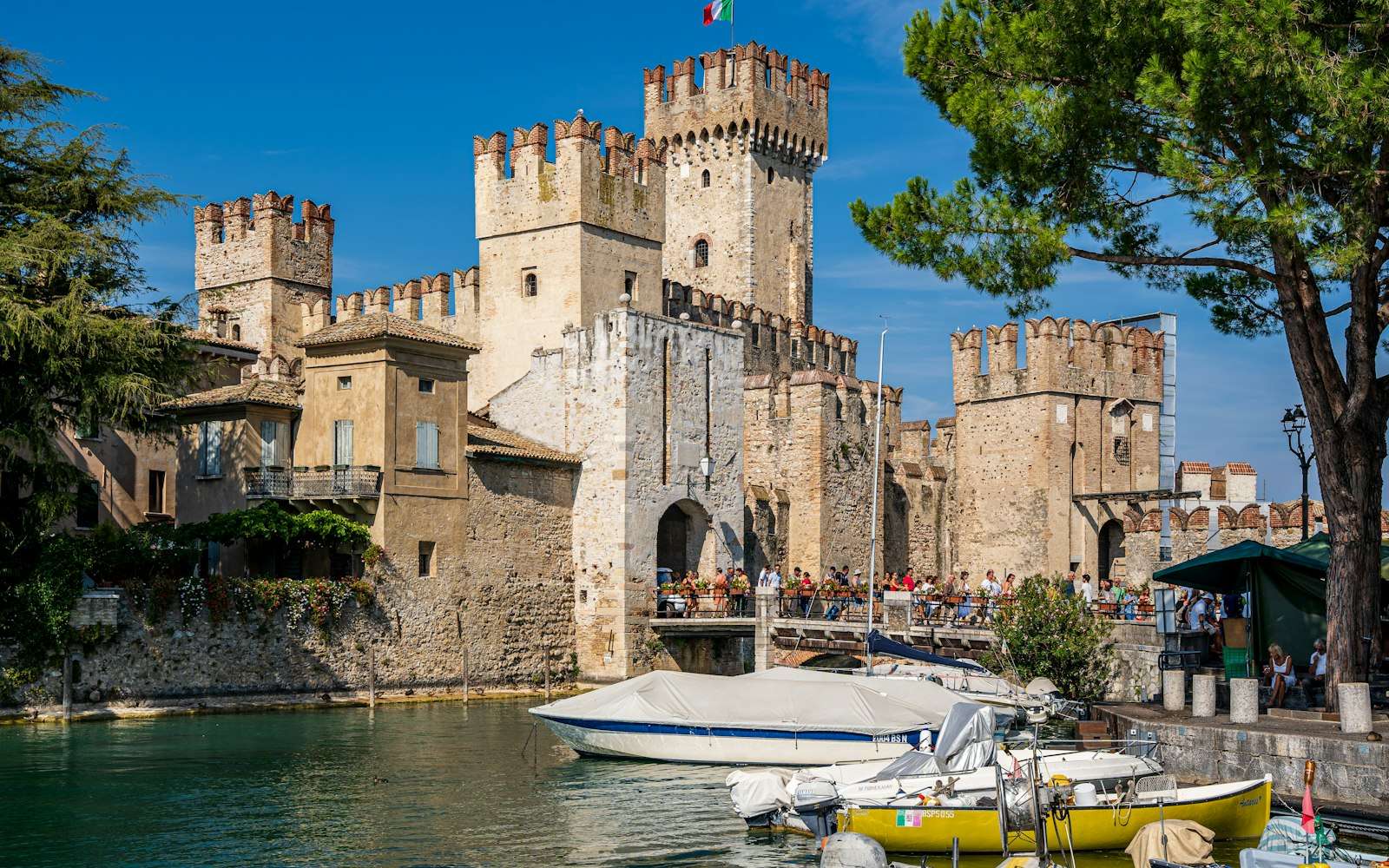
Sirmione
The Early Rule, the Drawbridge Castle
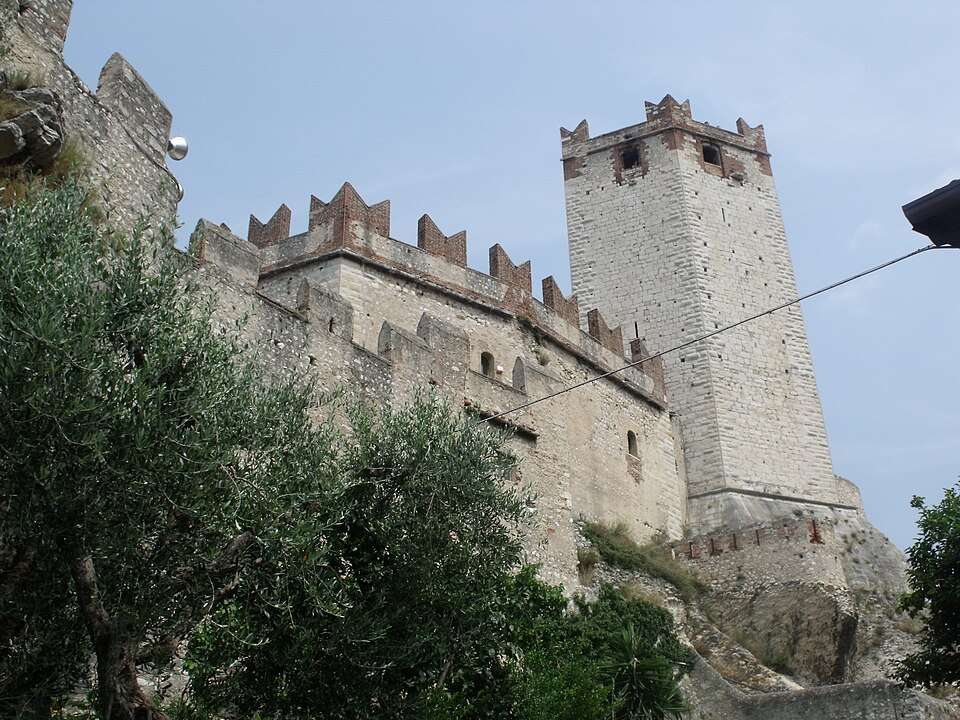
Malcesine
The Castle That Got Goethe Arrested, the Rotating Cable Car
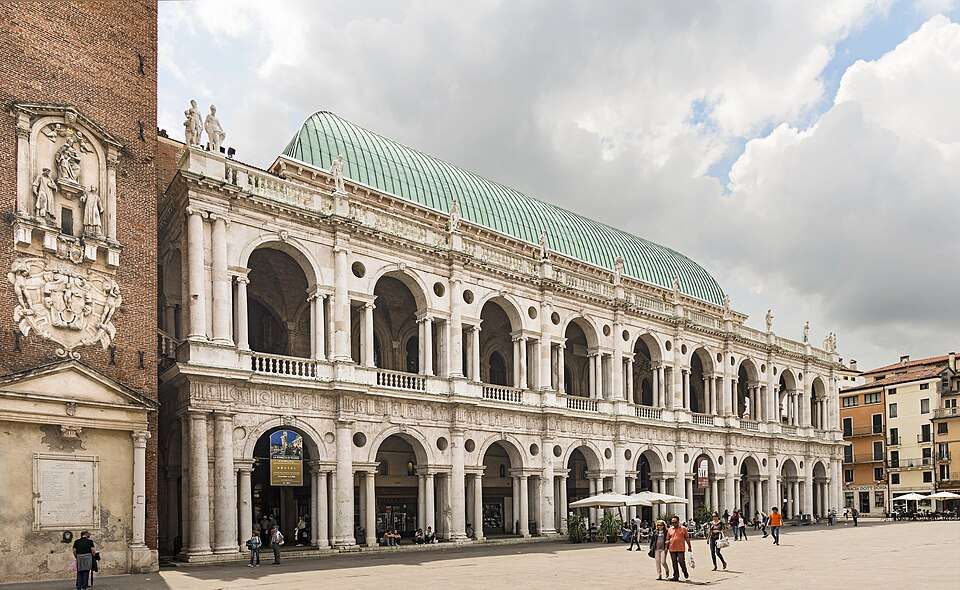
Vicenza
Palladio’s Hometown, the Oldest Indoor Theatre
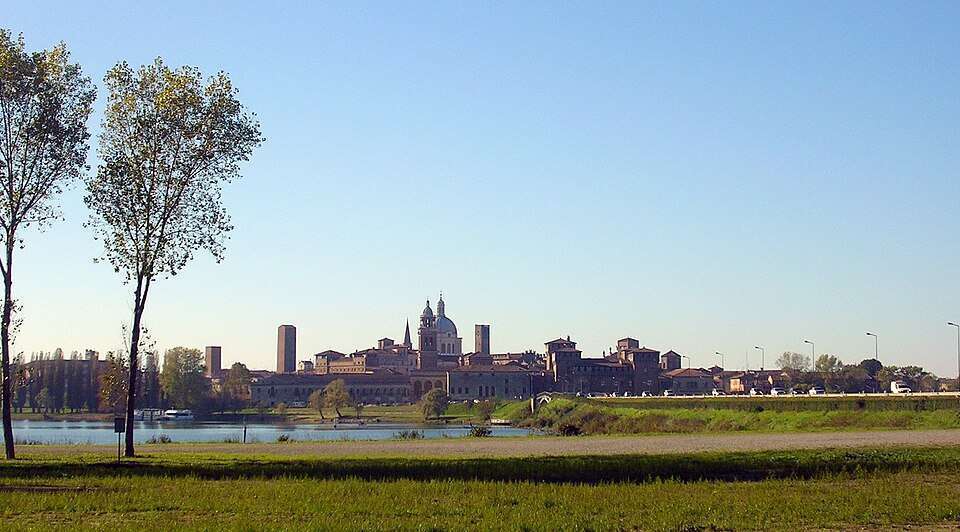
Mantua
The 45-Minute Train, the Camera degli Sposi
Sirmione & Lake Garda
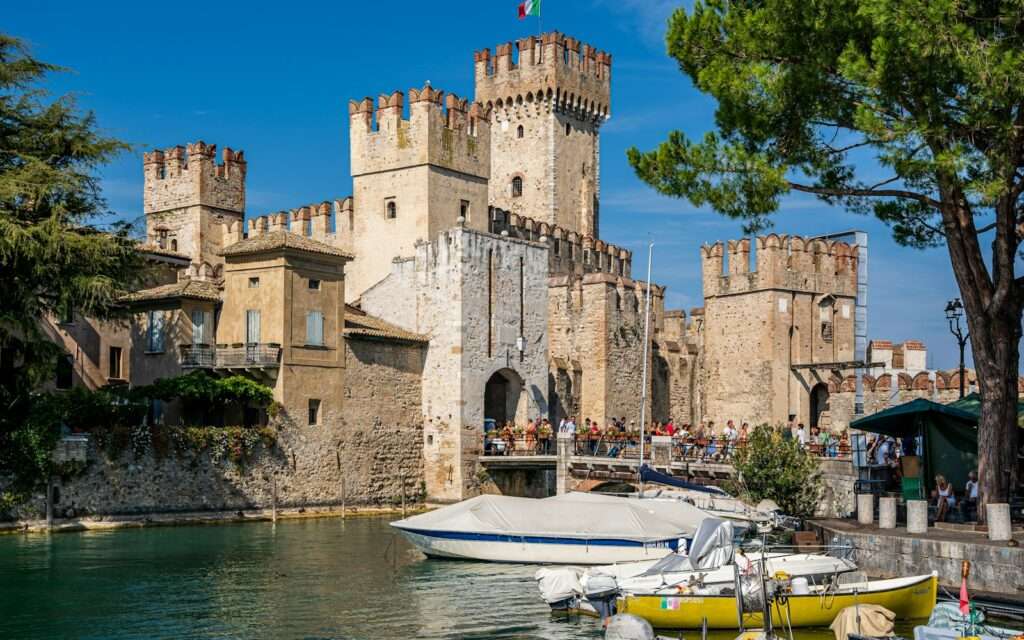
The essential trip runs thirty minutes to Garda’s southern shore, where Sirmione stretches four kilometers into the lake on a needle of a peninsula. The Scaligero castle guards the entrance with a genuine moat and drawbridge — one of Italy’s most complete lake fortresses, with a rampart walk over the harbor — the spa town’s lanes run behind it, and at the very tip sit the Grotte di Catullo: the ruins of a vast Roman villa on terraced olive groves, above water that runs Caribbean-turquoise over pale stone. Jamaica Beach below the ruins, swimmable off the flat rocks, is the local secret in plain sight.
The calendar: Sirmione’s single entrance lane bottlenecks at summer midday, so arrive early or come in shoulder season. The boat trip around the peninsula tip shows the villa ruins from the water, which is their best angle. Up-lake ambitions — Malcesine’s Monte Baldo cable car, the Limone cliffs — are real but turn the day into mostly driving. Sirmione plus one more southern-shore stop is the honest full day.
Read the full Sirmione day-trip page.
Valpolicella & Soave — The Two Wine Days
The vineyards start absurdly close, and the two zones split by temperament.
Valpolicella, twenty minutes northwest, is Amarone country. The appassimento method — grapes dried for months on racks before pressing, concentrating everything — makes one of Italy’s great reds, and cellar visits walk you through the drying lofts where the harvest lies shriveling on purpose. The classic circuit pairs two wineries, one historic house and one family producer, with lunch in Fumane or San Giorgio; the Romanesque church at San Giorgio di Valpolicella adds the view over the whole zone.
Soave, twenty minutes east, is the white counterpart: a walled medieval village under a crenellated castle, ringed by the volcanic hills that give the wine its mineral spine, with tastings in town and the castle walk as the digestivo.
Two rules govern the day: the who-drives-home law applies in full — tours or drivers — and Amarone rewards pacing. It runs 15-plus percent, and the cellars pour generously.
Mantua — The Gonzaga City
Forty-five minutes south by train, Mantua sits moated by three lakes the Gonzagas engineered around their capital — a UNESCO city that tourism somehow forgot, which is exactly its selling point.
The double bill: the Palazzo Ducale complex, 500 rooms of the family compound, is anchored by Mantegna’s Camera degli Sposi — the illusionistic painted room whose ceiling oculus began five centuries of painted-sky tricks. Entry to the room is timed and capped; book ahead. Then Palazzo Te, Giulio Romano’s pleasure palace at the town’s edge, where the Sala dei Giganti paints the fall of the giants floor-to-ceiling around you — Mannerism at full theatrical volume.
Between the two: arcaded piazzas, Alberti’s Sant’Andrea basilica, and pumpkin tortelli with amaretto — the town’s sweet-savory signature — for lunch. Rigoletto is set here, and the town obliges with a “Rigoletto’s house”; take it in the same spirit as Juliet’s balcony. The verdict stands: great art and thin crowds, in a combination northern Italy cannot beat.
Read the full Mantua day-trip page.
Vicenza — Palladio’s Laboratory
Thirty minutes east by train, Vicenza is one architect’s city. Andrea Palladio rebuilt it in the 1500s, and the result — a UNESCO listing for the town plus his villas — is the original of every columned courthouse and portico built since.
The essentials: the Teatro Olimpico, his last work, is the oldest surviving indoor theater in the world, and its permanent stage set of forced-perspective streets — built for one performance in 1585 and never struck — remains the single most magical interior in the Veneto. The Basilica Palladiana’s double loggia commands the main piazza, with a rooftop terrace in season, and Palazzo Chiericati holds the museum.
The extension completes it: Villa La Rotonda, the domed hilltop villa at the town’s edge, is the most copied building in Western architecture. Interior hours are limited, and the grounds and exterior carry the visit. The frescoed Villa Valmarana ai Nani next door is the underrated add-on. Half a day covers the town; the villas make it whole.
Read the full Vicenza day-trip page.
Borghetto & the Mincio — The Sleeper
Thirty minutes southwest, where the Mincio river leaves Lake Garda, hides the discovery: Borghetto sul Mincio, a hamlet of watermills standing in the river itself — wheels, weirs, and stone houses rising from the current, crowned by the Visconti bridge-dam of 1393, a fortified bridge running 650 meters across the valley, with Valeggio’s castle on the hill above.
The program is deliberately modest: walk the mills and the bridge-dam, climb to the castle view, and eat. Valeggio sul Mincio is the capital of tortellini di Valeggio, and the knot-shaped pasta — the “love knot,” with a legend the restaurants retell unprompted — is the day’s real monument.
Cyclists should note the Mincio bike path: flat and car-free from Peschiera on the lake, through Borghetto, and on toward Mantua — one of Italy’s easiest great rides, and a way to link the lake, the mills, and the Gonzaga city in one pedaling day. Half a day on foot, a full one by bike.
The Arena, the Balcony & Verona Itself
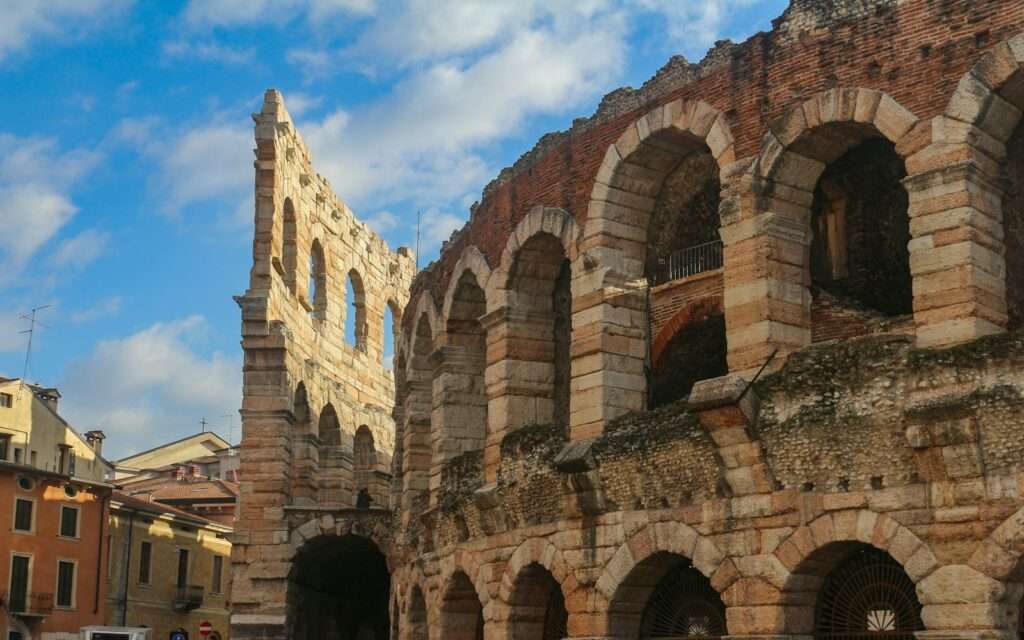
The Arena first: the third-largest Roman amphitheater still standing, and the only one hosting a full opera festival inside it. The summer season — in 2026, fifty evenings from June 12 to September 12 — stages Aida-scale productions under the stars, and attending once belongs on any short list of great European evenings. The unnumbered stone steps are the cheap, authentic seats: rent a cushion, and your phone light now plays the part the candles used to. Daytime visits cover the structure year-round, with early closures on performance days.
The Juliet honesty, delivered at the source: the balcony was added in the twentieth century to a house with no Shakespeare connection. The courtyard is a cheerful fiction the city maintains, complete with love-letter walls and a bronze statue whose polished breast records the tourists’ theory of luck. Go, enjoy the theater of it, and budget eleven minutes.
The real Verona surrounds it: Castelvecchio’s Scaliger fortress with Carlo Scarpa’s museum renovation — architecture pilgrims come for the display design alone — the Torre dei Lamberti’s panorama, Piazza delle Erbe’s market bustle under frescoed facades, the Gothic extravagance of the Scaliger tombs, and the Roman theater across the river for the sunset angle on the whole composition. The eating: risotto all’Amarone as the local synthesis, pastissada de caval for traditionalists — horse stew, stated honestly, ordered knowingly — and an enoteca crawl that the surrounding wine zones make the best-stocked in the Veneto.
Full day-trip pages: Malcesine.
Frequently Asked Questions
Is Sirmione worth a day trip from Verona?
The essential one — thirty minutes to the castle, the lanes, and the Roman villa ruins over turquoise water at the peninsula tip. Arrive early in summer; the single entrance bottlenecks by midday.
What is Amarone and where do you taste it?
Valpolicella’s great red, made from grapes dried for months before pressing — cellar tours twenty minutes from Verona walk the drying lofts. Take a tour or driver; it pours at 15-plus percent.
Is the Arena opera worth attending?
One of Europe’s great evenings — a Roman amphitheater, summer stars, Aida-scale staging, with the 2026 festival running June 12 to September 12. The unnumbered stone steps are the honest cheap seats; book named seats ahead.
Is Juliet’s balcony real?
No — a twentieth-century addition to a house Shakespeare never knew. Visit for the cheerful theater of it, budget eleven minutes, and spend the saved time at Castelvecchio.
Is Mantua or Vicenza the better day trip?
Mantua for painting with the fewest crowds in the north; Vicenza for architecture and the Teatro Olimpico’s magic. Both are under 45 minutes by train — art people should take both.